Caprylic/Capric Triglyceride Market Size to Expand to 1033 Million USD by 2026 – A Critical Growth Milestone


Caprylic/Capric Triglyceride Market Summary
Caprylic/Capric Triglyceride are a type of medium chain triglyceride mixture formed by esterification of octanoic acid and decanoic acid, two types of medium chain fatty acids, with glycerol. They often appear as colorless to light yellow transparent oily liquids, with a slight odor, stable chemical properties, good low-temperature flowability, and oxidation stability that is usually better than long-chain vegetable oils. They have good spreading and moisturizing properties and are often used as base oils and solvent carriers in cosmetics and personal care products to enhance the refreshing skin feel and dissolution and dispersion ability of formulations. They are also widely used in the food industry as carrier oils and processing lipid raw materials, as well as in pharmaceutical formulations as auxiliary materials to help dissolve fat soluble components and improve formulation stability.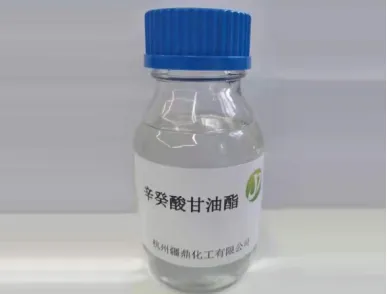
Caprylic/Capric Triglycerides are a medium carbon chain ester product, also known as MCT. In 1986, glycerol caprylate was included as a food additive in China's GB2760-86 "Hygienic Standards for the Use of Food Additives", and in 1990 it was included in China's GB12493-90 "Classification and Code of Food Additives" standard. This is a high-end functional nutritional oil that is colorless and transparent. It was first developed in Zhejiang Province, China.
The physicochemical properties of caprylic/caprylic triglycerides are as follows: colorless and odorless, low viscosity transparent liquid, neutral. Easy to mix with various solvents such as ethanol, isopropanol, trichloromethane, glycerol, etc. It is also soluble in many lipid substances in cosmetics. Stable at low temperatures and still transparent below 0 º C (freezing point -10 º C), with an HLB value of 12.5.
The production method of caprylic acid/decanoic acid triglycerides is as follows: This product is made from coconut oil, palm kernel oil, mountain chestnut oil and other oils as raw materials, hydrolyzed, fractionated, and cut to obtain caprylic acid, decanoic acid, and glycerol esterification, followed by deacidification, dehydration, and decolorization. The reason why the US Food and Drug Administration (FDA) classifies caprylic acid glycerides as GRAS class, which refers to food products that are safe drugs. After all, the safety and nutritional value of glycerol caprylate are widely recognized.
Because caprylic/decanoic triglyceride is the essence extracted from coconut oil, some professors and doctors from countries around the world have conducted in-depth research on the nutritional value, metabolic pathway and clinical treatment price of this product as early as 1930's and 1950s, and used this product as a nutritional drug. Subsequently, scholars from countries such as the United States, the United Kingdom, France, Germany, Japan, Canada, and the Netherlands conducted research on products such as glycerol caprylate. In terms of metabolism and clinical applications, hundreds of papers have been published, unanimously affirming the metabolic characteristics and therapeutic effects of this product. As early as the 1960s, products of caprylic acid glycerides began to be commercialized, producing various downstream derivatives of drugs used to treat various lipid metabolism disorders, such as pancreatic disease, gallbladder disease, chyluria and other intestinal and lymphatic system diseases, partial gastrointestinal resection, pediatric antidiarrheal treatment, etc. The effect is very good and there are no side effects at all. After the 1970s, the use of caprylic acid glycerides to reduce blood lipids and cholesterol levels made the body metabolize quickly, without accumulation, and without causing obesity. And gradually moving towards foodification. And it has been widely used, especially in infant nutrition products and the diet of obese patients. Especially in Western European countries, products such as caprylglycerol esters have long been used to support various foods for human consumption.
The medicinal effects of caprylic acid/caprylic acid triglycerides are very obvious. The absorption and metabolic characteristics of caprylic and caprylic acid triglycerides in the human body are as follows: the absorption and metabolic pathway of edible oils and fats is as follows: in the small intestine, the ingested fat is hydrolyzed into fatty acids and glycerol under the action of bile and pancreatic juice, combined with bile salts to form particles, absorbed by intestinal mucosal cells, and re synthesized into triglycerides in the endoplasmic reticulum. During the process of removing cells and entering the lymphatic system, chylomicrons are formed with phospholipids, B-lipoproteins, etc. They are absorbed by the milk lymphatic vessels, enter the portal blood flow system through the thoracic duct, and flow into the liver, fat stores, and other organs and tissues. Lipochylomicrons burn in a B-oxidation manner to provide energy or synthesize and supplement human adipose tissue and bioactive substances in the body.
Caprylic/Capric Triglycerides are a mixture of triglycerides of medium carbon fatty acids found in glycerol and vegetable oils. They are a colorless, odorless, low viscosity lipophilic lubricant with extremely high antioxidant properties. In cosmetics, GTCC can replace various oils and fats as a softener and fat rich agent, and can also be used as a carrier and diluent added to active agents or sterols and other conditioning agents.
GTCC is a mixed triester of medium carbon fatty acids in glycerol and vegetable oil. It is a colorless, odorless, low viscosity oleophilic lubricant with extremely high antioxidant properties. In cosmetics, GTCC can replace various oils and fats as a softener and fat rich agent, and can also be used as a carrier and diluent added to active agents or sterols and other conditioning agents. Cosmetics using GTCC can avoid the use of antioxidants and other stabilizers, and will not cause adverse side effects.
GTCC is widely used in sunscreen, cream and lotion; Post sun protective cream and lotion; Used for hair styling oils, creams, and head oils, it can make hair shiny, smooth, and easy to comb; Bath oil; Skincare oil and nutrient solution; Facial cleansers, creams and lotion; Baby skin care oils, creams and lotion; Makeup cream, stick, medicine. Make the skin smooth and shiny, nutrients are easily absorbed by the skin, and have a good effect on the uniformity and delicacy of cosmetics.
Caprylic and decanoic glyceride is colorless, tasteless, transparent, clear, stable, and resistant to storage. It is widely used in the food, cosmetics, and pharmaceutical industries. It is also used as a special diluent, emulsion stabilizer, solubilizer, and essence oil-based, as well as defoamer and antiseptic in food production.
The Hygienic Standard for the Use of Food Additives stipulates that it can be used appropriately in emulsified essence, beverages, ice cream, milk powder, candy, chocolate, gum sugar, and hydrogenated vegetable oil according to production needs.
Caprylic/Capric Triglyceride is colorless, odorless, low viscosity, and will not interfere with the flavor of essence. It is widely used in emulsified essence. It can be used as the base material, dissolvent, diluent and stabilizer of essence.
According to the new market research report “Global Caprylic/Capric Triglyceride Market Report 2026-2032”, published by QYResearch, the global Caprylic/Capric Triglyceride market size is projected to reach USD 1.45 billion by 2032, at a CAGR of 5.8% during the forecast period.
Figure. Global Caprylic/Capric Triglyceride Market Size (US$ Million), 2021-2032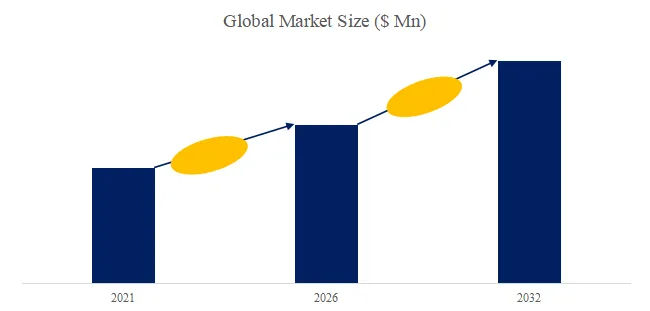
Above data is based on report from QYResearch: Global Caprylic/Capric Triglyceride Market Report 2026-2032 (published in 2025). If you need the latest data, plaese contact QYResearch.
Figure. Global Caprylic/Capric Triglyceride Top 15 Players Ranking and Market Share (Ranking is based on the revenue of 2025, continually updated)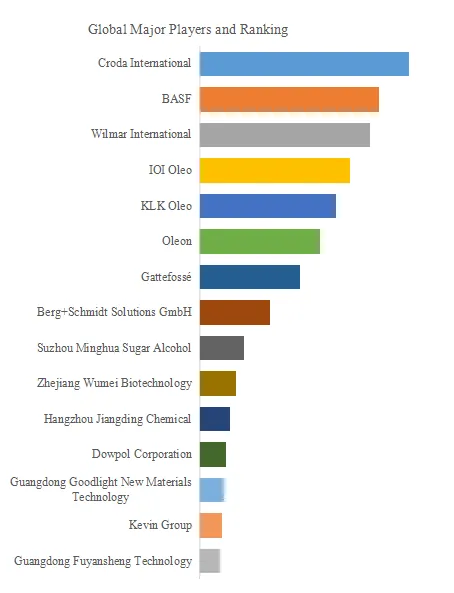
Above data is based on report from QYResearch: Global Caprylic/Capric Triglyceride Market Report 2026-2032 (published in 2025). If you need the latest data, plaese contact QYResearch.
According to QYResearch Top Players Research Center, the global key manufacturers of Caprylic/Capric Triglyceride include Croda International, BASF, Wilmar International, IOI Oleo, KLK Oleo, Oleon, Gattefossé, Berg+Schmidt Solutions GmbH, Suzhou Minghua Sugar Alcohol, Zhejiang Wumei Biotechnology, etc. In 2025, the global top 10 players had a share approximately 59.0% in terms of revenue.
The increase in the total amount of caprylic acid and caprylic acid triglycerides is mainly driven by the demand for base oils and solvent carriers in cosmetics and personal care, especially in formulas such as sunscreen, base makeup, makeup remover, and hair care essential oils. GTCC, with its low viscosity, low odor, good spreading, and high compatibility, is continuously replacing the dosage positions of some traditional oils and some silicone systems; At the same time, the demand for carrier oils for pharmaceutical excipients and functional nutrition provides more stable orders and stronger bargaining for mid to high specification products. On the supply side, the core contradiction of the industry lies not in the difficulty of synthesis, but in the fluctuation of upstream coconut oil or palm kernel oil fractionation raw materials and the stratification of refining capacity: the homogenization competition of universal grades is strong, the price elasticity is large, and profits are more affected by the raw material cycle; Low odor, low color, low acid value, sustainable certification, and traceable delivery capabilities will significantly enhance the certainty of entering the international brand supply chain and bring premium space, especially in the context of accelerating the introduction of sustainable palm systems on the brand side.
Main driving factors: cosmetics and personal care continue to increase the demand for refreshing skin base oil and highly compatible solvent carrier. GTCC has both low viscosity, low odor, good spread and formula stability, becoming the common base oil for cream, sunscreen, color makeup, makeup remover and hair care essential oil systems; The rapid energy supply of medium chain fatty acids and the increasing demand for carrier oils in the field of food and nutrition are driving the growth of MCT related lipid raw material usage. GTCC, as a standardized medium chain triglyceride, is expanding its application in functional foods and supplements; The demand for carriers, dissolution, and stabilization of lipophilic active ingredients in the pharmaceutical and fine chemical fields has increased, and the use of GTCC in soft capsules and lipid formulation excipients has been strengthened. At the same time, its stable source and controllable quality are also conducive to large-scale procurement.
Main obstacles: The price fluctuations of upstream coconut oil, palm kernel oil, and caprylic and decanoic acid fractions will directly transmit to GTCC costs, and the oil supply is greatly affected by climate and production area policies, resulting in cyclical fluctuations in prices and gross profits; The degree of product homogenization is high, and there is sufficient competition in the general grade. When prices decline, profits are easily compressed. Only low odor, low color, low acid value, and stricter impurity control levels can form a premium; High end customers have stricter requirements for peroxide value, acid value, color, odor, impurity spectrum, and microbial control. Batch consistency and quality system investment are high, making it difficult for small and medium-sized manufacturers to import into international brands and pharmaceutical channels; At the same time, some applications may have substitutes, such as using cheaper base oils or esters in extremely low-cost formulations, compressing the price space of GTCC.
Industry development opportunities: High end personal care formulas continue to upgrade towards cleaner, gentler, and less stimulating levels, driving an increase in demand for high-purity, low impurity, and low odor GTCC grades. Enterprises with deep deodorization, refining, and strict testing and release capabilities can increase their market share and gross profit; The expansion of the pharmaceutical excipients and functional nutrition market into high specification traceable products brings structural increment, and suppliers who can provide regulatory documents, stable supply, and multi base delivery are more likely to obtain long-term contracts; Sustainable raw materials and low-carbon supply chains have become the focus of brand procurement. Enterprises with sustainable certifications such as RSPO and reducing carbon footprint through process energy conservation and comprehensive utilization of by-products are more competitive; At the same time, the Asian supply chain has strengthened its advantages in oil integration, esterification refining, and large-scale manufacturing. Manufacturers with both cost and quality advantages have the opportunity to promote import substitution and expand exports to Europe, America, and emerging markets.
About QYResearch
QYResearch founded in California, USA in 2007.It is a leading global market research and consulting company. With over 17 years’ experience and professional research team in various cities over the world QY Research focuses on management consulting, database and seminar services, IPO consulting (data is widely cited in prospectuses, annual reports and presentations), industry chain research and customized research to help our clients in providing non-linear revenue model and make them successful. We are globally recognized for our expansive portfolio of services, good corporate citizenship, and our strong commitment to sustainability. Up to now, we have cooperated with more than 60,000 clients across five continents. Let’s work closely with you and build a bold and better future.
QYResearch is a world-renowned large-scale consulting company. The industry covers various high-tech industry chain market segments, spanning the semiconductor industry chain (semiconductor equipment and parts, semiconductor materials, ICs, Foundry, packaging and testing, discrete devices, sensors, optoelectronic devices), photovoltaic industry chain (equipment, cells, modules, auxiliary material brackets, inverters, power station terminals), new energy automobile industry chain (batteries and materials, auto parts, batteries, motors, electronic control, automotive semiconductors, etc.), communication industry chain (communication system equipment, terminal equipment, electronic components, RF front-end, optical modules, 4G/5G/6G, broadband, IoT, digital economy, AI), advanced materials industry Chain (metal materials, polymer materials, ceramic materials, nano materials, etc.), machinery manufacturing industry chain (CNC machine tools, construction machinery, electrical machinery, 3C automation, industrial robots, lasers, industrial control, drones), food, beverages and pharmaceuticals, medical equipment, agriculture, etc.

Caprylic/Capric Triglyceride- Global Market Share and Ranking, Overall Sales and Demand Forecast 2026-2032

Published Date: 2026-02-04

Pages: 128

Report ld: 5900354
Price:USD 3950.00
(Single User License)
Global Caprylic/Capric Triglyceride Market Research Report 2026
Published Date: 2026-02-04
Pages: 142
Report ld: 5900353
Price:USD 2900.00
(Single User License)
Global Caprylic/Capric Triglyceride Sales Market Report, Competitive Analysis and Regional Opportunities 2026-2032
Published Date: 2026-02-04
Pages: 99
Report ld: 5900352
Price:USD 4250.00
(Single User License)
Global Caprylic/Capric Triglyceride Market Outlook, In‑Depth Analysis & Forecast to 2032
Published Date: 2026-02-04
Pages: 165
Report ld: 5900350
Price:USD 4900.00
(Single User License)


Competition
Key players, new entrants,acquisitions, mergers and expansions,development trends and challenges.

Industry Analysis
Rawmaterial, application, product type, demand,supply,downstream, supply chain etc.

Market Size
Capacity, production, sales, revenue, price, cost etc.

Customized Information
We can offer customized survey and information to meet ourclient's need.
