Pellet Stove Insert Market Size to Expand to 306 Million USD by 2026 – A Critical Growth Milestone


Pellet Stove Insert Product Introduction
The Pellet Stove Insert is a heating appliance that can be inserted directly into an existing fireplace opening and uses compressed biomass pellets (e.g., wood chips, nut shells, etc.) as fuel. These pellets are fed into the hearth through an automated feeding system and generate heat during combustion, providing warmth to the room. The Pellet Stove Insert offers higher thermal efficiency and lower emissions than traditional stoves, while retaining the ornamental qualities and ease of use of a stove.
Picture. Pellet Stove Insert Picture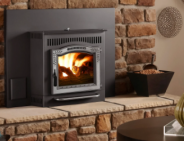
Source: Secondary Sources and QYResearch, 2025
According to the new market research report “Global Pellet Stove Insert Market Report 2025-2031”, published by QYResearch, the global Pellet Stove Insert market size is projected to reach USD 350 million by 2031, at a CAGR of 2.7% during the forecast period.
Figure. Global Pellet Stove Insert Market Size (US$ Million), 2025 VS 2031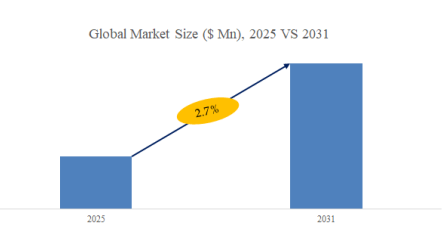
Above data is based on report from QYResearch: Global Pellet Stove Insert Market Report 2025-2031 (published in 2024). If you need the latest data, plaese contact QYResearch.
Figure. Global Pellet Stove Insert Top 13 Players Ranking and Market Share (Ranking is based on the revenue of 2024, continually updated)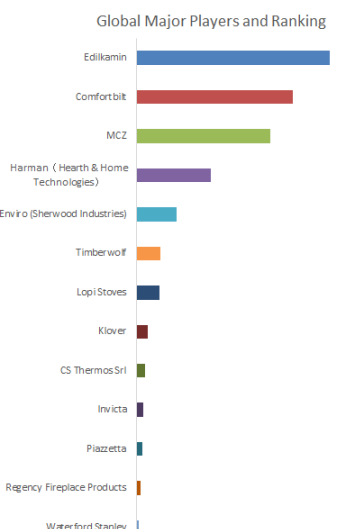
Above data is based on report from QYResearch: Global Pellet Stove Insert Market Report 2025-2031 (published in 2024). If you need the latest data, plaese contact QYResearch.
According to QYResearch Top Players Research Center, the global key manufacturers of Pellet Stove Insert include Edilkamin, Comfortbilt, MCZ, Harman(Hearth & Home Technologies), Enviro (Sherwood Industries), Timberwolf, Lopi Stoves, Klover, CS Thermos Srl, Invicta, etc. Pellet Stove Insert manufacturers are mainly concentrated in Europe (driven by strict environmental regulations and advanced technology), North America (centered on the United States, represented by manufacturers in Tennessee and other regions with mature heating equipment industries), and Asia (led by China, focusing on cost - effective manufacturing and export - oriented operations).
Table 1. Pellet Stove Insert Industry Chain Analysis
Item Description
Upstream Raw Material Suppliers Metals (steel, cast iron for stove bodies, heat exchangers, and structural frameworks), ceramics (high-temperature-resistant types for igniters, fireboxes, and heat-intensive components), electronic components (microcontrollers, sensors for temperature control/ignition/smart connectivity), and biomass pellets (fuel from compressed wood waste, agricultural residues, etc.).
Component Suppliers Providers of draft inducer motors, ignition systems, control panels, and heat-resistant seals/gaskets.
Equipment & Tooling Suppliers Machinery for casting, machining, welding, assembly, and quality testing (e.g., thermal performance, emission compliance).
Downstream Residential Pellet stove inserts serve single-family homes or small multi-unit residences as primary or supplementary heating sources. They appeal to homeowners seeking efficient, eco-friendly warmth—biomass pellets (compressed from wood waste/agricultural residues) burn cleaner and more efficiently than traditional firewood. Automated pellet feeding, precise temperature control, and smart home integration (e.g., remote access via apps) makes them low-maintenance and convenient, ideal for cold regions with abundant biomass resources.
Commercial In spaces like restaurants, hotels, offices, and small businesses, these inserts provide consistent heat for larger public areas or multi-room layouts. Their advantages include cost-effective operation, reduced emissions (aligning with sustainability goals), and durable performance. For example, hotels use them to warm lobbies/dining areas, restaurants leverage them for ambiance and warmth, and offices deploy them for zoned heating—all while minimizing energy costs and meeting environmental regulations.
Source: Secondary Sources, Press Releases, Expert Interviews and QYResearch, 2025
Table 2. Pellet Stove Insert Industry Policy Analysis
Policy Description
1 European Union (EU) Regulations The EU implements the Eco-Design Directive and Ecodesign Regulation to set stringent limits on particulate matter (PM) and nitrogen oxide (NOₓ) emissions from pellet stove inserts, curbing air pollution. Additionally, the Renewable Energy Directive (RED) classifies biomass pellets as renewable energy, driving adoption via subsidies, tax credits, and favorable grid connection terms for residential and commercial users investing in pellet heating systems.
2 United States (U.S.) Initiatives The Environmental Protection Agency (EPA) certifies pellet stove inserts to ensure compliance with clean air standards, prioritizing low-emission models. Federal and state-level incentives (e.g., rebates in California, Massachusetts) encourage installation of high-efficiency pellet heating systems. The Biomass Thermal Energy Council (BTEC) advocates for policies expanding biomass energy access, indirectly supporting market growth.
3 China’s Clean Heating Policies National initiatives like the "Clean Heating Plan" promote pellet stove inserts as a coal-alternative in rural/semi-urban areas to reduce air pollution. Subsidies for equipment purchase and pellet production infrastructure (e.g., in Hebei, Shanxi provinces) drive adoption, aligning with national emission control targets.
4 Global Standards & Trade Policies International bodies (e.g., ISO) and regional entities establish safety, performance, and emissions standards (e.g., ISO 19883 for solid fuel appliances) that pellet stove inserts must meet for cross-border sales. Conformity assessments (CE marking, UL certification) ensure compliance with local regulations, while trade agreements/tariffs impact import/export costs and market access for manufacturers.
Source: Secondary Sources, Press Releases, Expert Interviews and QYResearch, 2025
Table 3. Pellet Stove Insert Industry Development Trends
Development Trends Description
1 High-Efficiency and Low-Emission Technologies R&D focuses on advancing combustion systems (e.g., staged combustion, recirculation burners) to raise thermal efficiency (targeting 85%+), while minimizing emissions of particulate matter (PM), nitrogen oxides (NOₓ), and carbon monoxide (CO). Innovations in heat exchanger materials (high-conductivity alloys, ceramic composites) and insulation reduce heat loss, making pellet stove inserts eco-friendlier and more cost-effective.
2 Smart Home Integration Pellet stove inserts increasingly adopt IoT capabilities, enabling remote control via smartphones (e.g., temperature adjustment, ignition scheduling), integration with home automation systems, and real-time monitoring of fuel levels, combustion performance, and maintenance needs. AI-driven algorithms may optimize operation based on usage patterns and external conditions (e.g., ambient temperature) to enhance convenience and energy efficiency.
3 Expansion of Biomass Fuel Supply Chains There is a trend to expand biomass pellet production capacity (from agricultural waste, forest residues, energy crops) and establish more extensive distribution networks. This involves investing in pellet manufacturing facilities, partnering with agricultural/commercial entities for feedstock sourcing, and standardizing pellet quality (ash content, calorific value) to ensure consistent stove performance.
4 Customization and Aesthetic Diversification Beyond functionality, demand grows for customization to match diverse interior designs (modern, traditional, industrial). Manufacturers offer varied sizes, finishes (stainless steel, cast iron, colored enamel), and viewing window designs. Modular designs also enable easier integration into existing fireplaces or heating systems, catering to residential (e.g., retrofitting old hearths) and commercial (e.g., bespoke hotel/restaurant installations) aesthetic needs.
Source: Secondary Sources, Press Releases, Expert Interviews and QYResearch, 2025
Table 4. Pellet Stove Insert Industry Development Opportunities
Development Opportunities Description
1 Policy-Driven Market Expansion Under Energy Transition Global "dual carbon" goals and clean heating initiatives have created a huge policy dividend market. In mature markets such as Europe and North America, stringent emission regulations (e.g., EU Eco-Design Directive, U.S. EPA certification) have accelerated the phase-out of traditional high-pollution heating equipment, making high-efficiency, low-emission pellet stove inserts a key replacement option. Additionally, the classification of biomass pellets as renewable energy in the EU Renewable Energy Directive (RED) and similar incentives in other regions have reduced user adoption costs, driving recurring demand for both residential and commercial upgrades.
2 Technological Upgrades Enhancing Product Competitiveness Advances in core technologies are breaking through traditional market limitations. In terms of combustion systems, staged combustion and recirculation burner technologies have increased thermal efficiency to over 85%, while low-emission upgrades (e.g., particulate matter and nitrogen oxide control) have helped products meet stricter regional standards. The integration of smart technologies has opened up high-value-added markets: IoT-enabled remote control (temperature adjustment, ignition scheduling), real-time fuel level monitoring, and AI-driven fault prediction (based on sensor data such as temperature and vibration) have significantly improved user convenience and reduced maintenance costs. Moreover, modular design innovations have made retrofitting into existing fireplaces easier, expanding penetration in the renovation market.
3 Improvement of Biomass Fuel Supply Chain Supporting Industry Scaling The maturation of the biomass pellet supply chain has solved the long-standing "fuel constraint" bottleneck. On the raw material side, the utilization of agricultural waste (peanut shells, rice husks) and forestry residues has realized "waste-to-energy" recycling, reducing pellet production costs by 10-15% and ensuring stable supply. On the distribution side, the construction of regional pellet production bases and the expansion of logistics networks have shortened supply cycles, while the standardization of fuel quality (ash content ≤3%, calorific value ≥3900 kcal/kg) has ensured stable combustion performance of stove inserts . This integrated supply chain from raw material collection to terminal distribution has not only lowered the threshold for user adoption but also laid the foundation for large-scale commercial applications (e.g., centralized heating in hotels and office buildings).
4 Release of Segmented Demand in Residential and Commercial Markets Dual growth drivers from residential and commercial segments are creating a multi-scenario market space. In the residential sector, the demand for supplementary heating in small and medium-sized houses (30-100㎡) and the retrofitting needs of old communities have become core growth points—products with automatic feeding and smart temperature control are favored for their low maintenance, especially in cold regions hit by extreme weather (e.g., northeastern China, northern Europe) where sales surge during winter . In the commercial sector, hotels, restaurants, and small industrial parks prefer pellet stove inserts for their cost-effectiveness (40-70% lower operating costs than oil/gas equipment) and sustainability attributes, using them for zoned heating or matching with hot water supply systems to achieve energy efficiency. Additionally, the demand for "aesthetic-functional integration" in commercial spaces has driven the development of customized products (e.g., cast iron, stainless steel finishes), further expanding profit margins.
5 Global Market Expansion and Regional Differentiation Opportunities The imbalance in regional market development has created diversified expansion paths. Mature markets in Europe and North America focus on high-end segments, with demand concentrated in smart, eco-friendly products (e.g., LEED-certified models), while price-sensitive emerging markets in Southeast Asia and South America prioritize cost-effective basic models. Chinese manufacturers, leveraging their manufacturing advantages, have begun exporting cost-competitive products to Japan, South Korea, and Southeast Asia, with pellet fuels made from local agricultural residues further adapting to regional needs. Furthermore, in remote areas without centralized heating (e.g., mountainous regions in China, rural areas in Africa), pellet stove inserts, with their independence from pipeline networks, have become a preferred clean heating solution, opening up blue ocean markets with huge untapped potential.
Source: Secondary Sources, Press Releases, Expert Interviews and QYResearch, 2025
Table 5. Pellet Stove Insert Obstacles/Challenges to Industry Development
Obstacles/Challenges Description
1 Instability of Biomass Pellet Fuel Supply Chain The industry is highly dependent on biomass pellets as core fuel, but the fuel supply chain faces multiple bottlenecks. Raw materials (agricultural residues, forestry waste) are subject to seasonal, climatic, and regional constraints—for example, agricultural waste yields plummet in dry seasons, while forestry waste collection is limited by logging policies, leading to intermittent supply shortages. The lack of standardized raw material classification and processing technologies results in uneven pellet quality (e.g., fluctuating ash content and calorific value), which directly affects combustion efficiency, increases equipment wear, and triggers user complaints. Additionally, underdeveloped warehousing and logistics networks in rural and remote areas lead to high fuel storage and transportation costs, with pellet prices sometimes tripling after multiple circulation links, weakening the economic advantage over traditional fuels.
2 Cost Pressure and Poor Economic Competitiveness The industry faces dual cost pressures from production and consumption. In terms of production, core components (high-temperature ceramics, intelligent control chips) and raw materials (cast iron, stainless steel) are prone to price fluctuations due to global supply chain tensions, pushing up manufacturing costs. For consumers, the initial purchase cost of pellet stove inserts is 30–50% higher than traditional wood-burning stoves or electric heaters, and professional installation (including chimney modification and ventilation debugging) adds additional expenses. Although long-term fuel costs are lower, the "affordable to buy but unaffordable to use" dilemma is prominent in low-income regions—pellet processing requires crushing and drying, which increases costs, making it difficult for rural users to accept buying back "their own waste" at high prices. In areas with low natural gas prices, pellet stove inserts lose their cost competitiveness entirely.
3 Technical Bottlenecks and Strict Compliance Pressure Technical limitations and escalating environmental regulations form dual constraints. On the technical front, incomplete combustion and gas leakage remain unresolved—poorly designed combustion chambers lead to increased emissions of carbon monoxide and particulate matter, while seal aging in feeding systems causes harmful gas leakage, posing indoor air pollution risks. Intelligent control technologies (e.g., real-time fuel level monitoring and adaptive combustion adjustment) are still immature in low-end products, resulting in frequent equipment failures. On the compliance side, regions such as Europe and North America continue to tighten emission standards—for example, the U.S. EPA proposes particulate matter emission limits of 2.0 grams per hour, requiring manufacturers to invest heavily in R&D for staged combustion and flue gas purification systems. "One-size-fits-all" emission requirements in some areas (e.g., forcing rural equipment to meet urban ultra-low emission standards) further increase compliance costs.
4 Insufficient User Cognition and Rigid Usage Habits Market promotion is hindered by backward user perceptions and entrenched habits. Many consumers lack understanding of pellet stove inserts, mistakenly believing they require frequent fuel refilling and complex maintenance, or confusing them with high-pollution traditional stoves. In rural areas, users are accustomed to free or low-cost fuels such as firewood and coal, and are resistant to switching to paid pellets, even with subsidies. Commercial users (e.g., small restaurants) prioritize short-term costs over long-term efficiency, preferring mature gas heating solutions. Additionally, the need for regular ash cleaning and professional maintenance further reduces willingness to adopt, especially among users lacking access to after-sales services.
Source: Secondary Sources, Press Releases, Expert Interviews and QYResearch, 2025
About QYResearch
QYResearch founded in California, USA in 2007.It is a leading global market research and consulting company. With over 17 years’ experience and professional research team in various cities over the world QY Research focuses on management consulting, database and seminar services, IPO consulting (data is widely cited in prospectuses, annual reports and presentations), industry chain research and customized research to help our clients in providing non-linear revenue model and make them successful. We are globally recognized for our expansive portfolio of services, good corporate citizenship, and our strong commitment to sustainability. Up to now, we have cooperated with more than 60,000 clients across five continents. Let’s work closely with you and build a bold and better future.
QYResearch is a world-renowned large-scale consulting company. The industry covers various high-tech industry chain market segments, spanning the semiconductor industry chain (semiconductor equipment and parts, semiconductor materials, ICs, Foundry, packaging and testing, discrete devices, sensors, optoelectronic devices), photovoltaic industry chain (equipment, cells, modules, auxiliary material brackets, inverters, power station terminals), new energy automobile industry chain (batteries and materials, auto parts, batteries, motors, electronic control, automotive semiconductors, etc.), communication industry chain (communication system equipment, terminal equipment, electronic components, RF front-end, optical modules, 4G/5G/6G, broadband, IoT, digital economy, AI), advanced materials industry Chain (metal materials, polymer materials, ceramic materials, nano materials, etc.), machinery manufacturing industry chain (CNC machine tools, construction machinery, electrical machinery, 3C automation, industrial robots, lasers, industrial control, drones), food, beverages and pharmaceuticals, medical equipment, agriculture, etc.

Global Pellet Stove Insert Market Outlook, In‑Depth Analysis & Forecast to 2032

Published Date: 2026-03-26

Pages: 151

Report ld: 6312660
Price:USD 4900.00
(Single User License)
Global Pellet Stove Insert Sales Market Report, Competitive Analysis and Regional Opportunities 2026-2032
Published Date: 2026-03-26
Pages: 92
Report ld: 6306808
Price:USD 4250.00
(Single User License)
Pellet Stove Insert- Global Market Share and Ranking, Overall Sales and Demand Forecast 2026-2032
Published Date: 2026-01-09
Pages: 113
Report ld: 5624482
Price:USD 3950.00
(Single User License)
Global Pellet Stove Insert Market Research Report 2026
Published Date: 2026-01-09
Pages: 118
Report ld: 5618503
Price:USD 2900.00
(Single User License)
Global Pellet Stove Insert Market Outlook, In‑Depth Analysis & Forecast to 2031
Published Date: 2025-10-12
Pages: 162
Report ld: 4858025
Price:USD 4900.00
(Single User License)
Global Pellet Stove Insert Sales Market Report, Competitive Analysis and Regional Opportunities 2025-2031
Published Date: 2025-10-12
Pages: 91
Report ld: 4839549
Price:USD 4250.00
(Single User License)


Competition
Key players, new entrants,acquisitions, mergers and expansions,development trends and challenges.

Industry Analysis
Rawmaterial, application, product type, demand,supply,downstream, supply chain etc.

Market Size
Capacity, production, sales, revenue, price, cost etc.

Customized Information
We can offer customized survey and information to meet ourclient's need.
