PES Hollow Fibre Membranes Module Market Insight Report: Understanding the Needs and Trends in the Industry 2026-2032


PES Hollow Fibre Membranes Module Product Introduction
PES Hollow Fibre Membranes Module is a specialized separation device centered on porous polyethersulfone (PES) hollow fibre membranes, integrated with a pressure-resistant housing (e.g., made of ABS, PVC, or stainless steel) and sealing components (such as epoxy resin for fixing fibres). Its core structure consists of hundreds to thousands of thin, hollow PES fibres—typically with an inner diameter of 0.5–2 mm, outer diameter of 1–3 mm, and precisely controlled pore sizes—bundled and fixed to prevent fluid bypass. Operating on a pressure-driven principle, the module separates, purifies, or concentrates target substances by leveraging PES’s inherent advantages: excellent chemical stability (resistant to most acids, bases, and organic solvents), good thermal tolerance (operating at 0–80°C, up to 120°C for modified grades), and natural hydrophilicity (reducing irreversible fouling from organic matter or particles).
Picture. PES Hollow Fibre Membranes Module Picture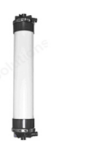
Source: Secondary Sources and QYResearch, 2025
According to the new market research report “Global PES Hollow Fibre Membranes Module Market Report 2025-2031”, published by QYResearch, the global PES Hollow Fibre Membranes Module market size is projected to reach USD 2.65 billion by 2031, at a CAGR of 5.3% during the forecast period.
Figure. Global PES Hollow Fibre Membranes Module Market Size (US$ Million), 2025 VS 2031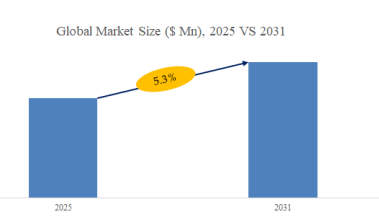
Above data is based on report from QYResearch: Global PES Hollow Fibre Membranes Module Market Report 2025-2031 (published in 2024). If you need the latest data, plaese contact QYResearch.
Figure. Global PES Hollow Fibre Membranes Module Top 13 Players Ranking and Market Share (Ranking is based on the revenue of 2024, continually updated)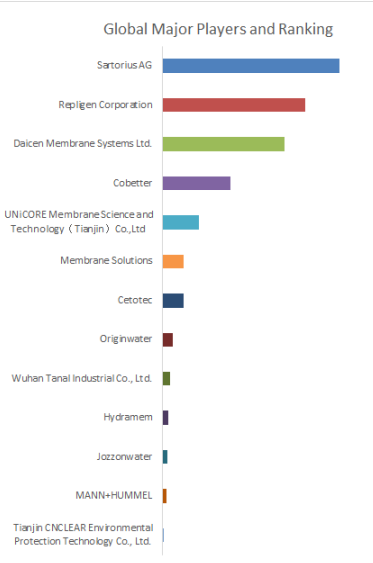
Above data is based on report from QYResearch: Global PES Hollow Fibre Membranes Module Market Report 2025-2031 (published in 2024). If you need the latest data, plaese contact QYResearch.
According to QYResearch Top Players Research Center, the global key manufacturers of PES Hollow Fibre Membranes Module include Sartorius AG, Repligen Corporation, Daicen Membrane Systems Ltd., Cobetter, UNiCORE Membrane Science and Technology(Tianjin)Co.,Ltd, Membrane Solutions, Cetotec, Originwater, Wuhan Tanal Industrial Co., Ltd., Hydramem, etc. Major PES Hollow Fibre Membranes Module manufacturers are concentrated in East Asia—especially in countries with strong petrochemical and polymer industries, rapidly expanding municipal water and wastewater treatment projects, fast-growing biopharmaceutical and food-processing sectors, dense clusters of membrane technology leaders, and supportive government investment in advanced filtration manufacturing—while also increasingly leveraging nearby Asia–Pacific markets as cost-competitive production and export bases.
Table 1. PES Hollow Fibre Membranes Module Industry Chain Analysis
Item Description
Upstream Raw Material Suppliers Core materials include polyethersulfone (PES) resin (key suppliers: Solvay, BASF, Sumitomo Chemical), functional additives (pore-forming agents, hydrophilic modifiers to enhance antifouling performance), and module structural components (polypropylene casings, epoxy potting compounds, end caps).
Equipment Manufacturers Providers of membrane production gear (dry-wet spinning lines, coagulation bath systems for fibre formation) and module assembly equipment (potting machines, bubble point/integrity testing devices).
Midstream Membrane Processing Production of PES hollow fibres via dry-wet spinning (controlling pore size, porosity, and fibre diameter) + surface modification (e.g., hydrophilic coating to reduce fouling).
Module Assembly & Quality Control Potting spun fibres into casings, sealing, and rigorous testing (bubble point test, pressure decay test) to verify integrity; offers customized module specifications (flux, surface area) for target application scenarios.
Downstream Water Treatment Applications include municipal wastewater advanced treatment (reuse), drinking water microplastic/particle removal, industrial wastewater purification (chemical, electronics sectors); end users: municipal water utilities, industrial wastewater treatment plants, environmental engineering firms.
Biomedical and Pharmaceutical Uses cover bioprocess filtration (cell culture media sterilization, protein separation), sterile drug solution clarification, and dialysis equipment components; end users: biopharma manufacturers, medical device producers, clinical dialysis centers.
Food and Beverage Applications involve juice clarification (removing pulp/residues), dairy concentration (milk protein separation), and beverage microbial filtration; end users: juice/food processing enterprises, dairy manufacturers, beverage production facilities.
Source: Secondary Sources, Press Releases, Expert Interviews and QYResearch, 2025
Table 2. PES Hollow Fibre Membranes Module Industry Policy Analysis
Policy Description
1 China 14th Five-Year Plan for Water Environmental Protection (2021-2025) Mandates a 30% expansion of municipal wastewater reuse capacity by 2025, prioritizing PES hollow fibre membranes (for high filtration efficiency) in advanced treatment processes; requires compliance with GB/T 32360 (domestic membrane module performance standards), driving demand for qualified modules and pushing manufacturers to upgrade production technology to meet strict flux and fouling resistance benchmarks.
2 EU REACH Regulation (2024 Substance Disclosure & Circular Economy Update) Expands mandatory disclosure of additives in PES membrane materials (e.g., pore-forming agents, modifiers) to exclude REACH Annex XVII restricted chemicals; aligns with the EU Circular Economy Action Plan, requiring 20% recyclability of membrane module components (casings, fibres) by 2027, increasing upstream material R&D costs and production complexity for EU-compliant modules.
3 US EPA Microplastic Filtration Incentive Program (2025) Offers 25% grant funding for water treatment facilities adopting PES hollow fibre membranes verified to remove ≥95% of microplastics <5μm; ties funding to compliance with EPA Method 1623 for microplastic detection, boosting demand for high-performance PES modules and forcing manufacturers to validate microplastic removal capabilities via third-party testing.
4 ISO 13408-4:2024 (Membrane Modules for Water Treatment – Hollow Fibre) Updates global performance standards for PES hollow fibre modules, adding benchmarks for 12-month continuous flux stability and chemical resistance to common cleaning agents; harmonizes quality requirements across markets (easing cross-border trade for compliant producers) but raises entry barriers for small manufacturers lacking dedicated testing and certification capacity.
Source: Secondary Sources, Press Releases, Expert Interviews and QYResearch, 2025
Table 3. PES Hollow Fibre Membranes Module Industry Development Trends
Development Trends Description
1 High-performance surface modification for long-term antifouling PES hollow fibre modules are increasingly adopting advanced surface modification technologies (e.g., hydrophilic polymer coating, antibacterial functionalization, zwitterionic surface grafting) to reduce membrane fouling (a key pain point in operation); this extends cleaning intervals by 20–30%, prolongs module service life, and lowers long-term operational costs for downstream applications (especially water treatment and biopharma).
2 Tailored module customization for high-value niche applications Manufacturers are developing application-specific PES modules: for biopharma, ultra-precise pore-sized (0.1–0.2μm) modules for sterile drug filtration/protein separation; for water treatment, high-flux modules optimized for microplastic (<5μm) removal; for food & beverage, gentle-filtration modules (low-shear design) for heat-sensitive products (e.g., fresh juice clarification), expanding penetration in high-margin niche markets.
3 Circular economy-aligned module design & material recycling Driven by EU and global sustainability policies, PES modules are shifting to circular design: disassembly-friendly structures (for easy separation of fibres/casings), recyclable polypropylene casings, and PES resin recovery/reprocessing technologies; this reduces post-disposal waste and meets regulatory requirements (e.g., EU Circular Economy Action Plan’s 2027 recyclability targets).
4 IoT-integrated intelligent membrane modules Modules are embedded with micro-sensors (to monitor real-time flux, pressure drop, and fouling status) and connected to cloud-based analytics platforms; this enables predictive maintenance (alerting users to cleaning/replacement needs) and data-driven system optimization, improving operational efficiency for downstream users (e.g., water treatment plants, biopharma facilities).
Source: Secondary Sources, Press Releases, Expert Interviews and QYResearch, 2025
Table 4. PES Hollow Fibre Membranes Module Industry Development Opportunities
Development Opportunities Description
1 Municipal Wastewater Reuse Infrastructure Expansion Driven by global water scarcity and policy mandates (e.g., China’s 14th Five-Year Plan, EU water reuse targets), municipal utilities are upgrading to advanced wastewater treatment systems; this creates opportunities to supply high-flux, antifouling PES hollow fibre modules (critical for reuse-quality water purification) to large-scale municipal infrastructure projects.
2 Biologic Drug Production Scaling The $100B+ global biologic drug (protein, monoclonal antibody) manufacturing market is expanding rapidly, requiring GMP-compliant, high-purity PES modules (for sterile filtration, cell culture media clarification); opportunity to develop customized, ultra-precise pore-sized modules tailored to biopharma clients’ production workflows.
3 Microplastic Filtration Compliance Solutions New regulations (U.S. EPA microplastic incentives, EU water quality standards) mandate ≥95% removal of <5μm microplastics in water treatment; PES modules with controlled 0.1–5μm pore sizes are ideal for this use case, creating an opportunity to offer third-party verified microplastic-filtering modules to water utilities and industrial facilities.
4 Circular Economy Module & Recycling Services Regulatory (EU Circular Economy Action Plan) and client sustainability goals drive demand for recyclable PES modules; opportunity to launch disassembly-friendly, recyclable module lines (with reusable casings) + post-use PES resin recovery/reprocessing services, catering to eco-focused downstream users (municipal utilities, biopharma firms).
Source: Secondary Sources, Press Releases, Expert Interviews and QYResearch, 2025
Table 5. PES Hollow Fibre Membranes Module Obstacles/Challenges to Industry Development
Obstacles/Challenges Description
1 Raw Material Supply Chain Concentration The core PES resin material is dominated by a small number of global suppliers (Solvay, BASF, Sumitomo Chemical), leading to limited supply flexibility, vulnerability to price fluctuations, and risks of production disruptions (e.g., raw material plant outages), which undermines the stability of module manufacturing.
2 High R&D & Production Cost Barriers Developing advanced PES modules (e.g., antifouling surface modification, biopharma-grade precision) requires substantial R&D investment; meanwhile, the capital-intensive production process (specialized dry-wet spinning equipment, cleanroom facilities for GMP-compliant modules) creates entry barriers for small/medium manufacturers, limiting market competition.
3 Fragmented Regulatory & Certification Requirements Divergent compliance rules (EU REACH, US EPA microplastic standards, China GB water treatment benchmarks) and sector-specific certifications (biopharma GMP) add administrative costs, testing expenses, and cross-market launch delays; meeting evolving global standards (e.g., ISO 13408-4) further increases operational complexity.
4 Competition from Alternative Membrane Materials PES modules face pressure from lower-cost alternatives (e.g., PVDF in basic water treatment) or specialized materials (e.g., ceramic membranes for high-temperature industrial separation, cellulose acetate for low-budget applications), which erodes market share and pricing power in non-high-performance application segments.
Source: Secondary Sources, Press Releases, Expert Interviews and QYResearch, 2025
About The Authors
Miao Yiren - Main analyst for this article
Email: miaoyiren@qyresearch.com
QYResearch is trusted by over 65,000 clients and has specialized in market research for over 17 years. As a new industry consulting analyst of QYResearch, she specializes in business data analysis, market trend analysis and corporate strategy consulting, and is good at using data analysis tools, such as Python, SPSS, etc., to conduct deep mining of massive business data and provide data support for management decision-making. He has keen market insights and rich project experience in various fields such as finance, manufacturing and agriculture.
About QYResearch
QYResearch founded in California, USA in 2007.It is a leading global market research and consulting company. With over 17 years’ experience and professional research team in various cities over the world QY Research focuses on management consulting, database and seminar services, IPO consulting (data is widely cited in prospectuses, annual reports and presentations), industry chain research and customized research to help our clients in providing non-linear revenue model and make them successful. We are globally recognized for our expansive portfolio of services, good corporate citizenship, and our strong commitment to sustainability. Up to now, we have cooperated with more than 60,000 clients across five continents. Let’s work closely with you and build a bold and better future.
QYResearch is a world-renowned large-scale consulting company. The industry covers various high-tech industry chain market segments, spanning the semiconductor industry chain (semiconductor equipment and parts, semiconductor materials, ICs, Foundry, packaging and testing, discrete devices, sensors, optoelectronic devices), photovoltaic industry chain (equipment, cells, modules, auxiliary material brackets, inverters, power station terminals), new energy automobile industry chain (batteries and materials, auto parts, batteries, motors, electronic control, automotive semiconductors, etc.), communication industry chain (communication system equipment, terminal equipment, electronic components, RF front-end, optical modules, 4G/5G/6G, broadband, IoT, digital economy, AI), advanced materials industry Chain (metal materials, polymer materials, ceramic materials, nano materials, etc.), machinery manufacturing industry chain (CNC machine tools, construction machinery, electrical machinery, 3C automation, industrial robots, lasers, industrial control, drones), food, beverages and pharmaceuticals, medical equipment, agriculture, etc.

Global PES Hollow Fibre Membranes Module Market Outlook, In‑Depth Analysis & Forecast to 2032

Published Date: 2026-03-10

Pages: 163

Report ld: 6114125
Price:USD 4900.00
(Single User License)
Global PES Hollow Fibre Membranes Module Sales Market Report, Competitive Analysis and Regional Opportunities 2026-2032
Published Date: 2026-03-10
Pages: 93
Report ld: 6110299
Price:USD 4250.00
(Single User License)
Global PES Hollow Fibre Membranes Module Market Research Report 2026
Published Date: 2026-03-10
Pages: 136
Report ld: 6106487
Price:USD 2900.00
(Single User License)
PES Hollow Fibre Membranes Module- Global Market Share and Ranking, Overall Sales and Demand Forecast 2026-2032
Published Date: 2026-03-10
Pages: 120
Report ld: 6102689
Price:USD 3950.00
(Single User License)
PES Hollow Fibre Membranes Module - Global Market Share and Ranking, Overall Sales and Demand Forecast 2025-2031
Published Date: 2025-10-12
Pages: 123
Report ld: 5180580
Price:USD 3950.00
(Single User License)
Global PES Hollow Fibre Membranes Module Market Research Report 2025
Published Date: 2025-10-12
Pages: 105
Report ld: 5180579
Price:USD 2900.00
(Single User License)


Competition
Key players, new entrants,acquisitions, mergers and expansions,development trends and challenges.

Industry Analysis
Rawmaterial, application, product type, demand,supply,downstream, supply chain etc.

Market Size
Capacity, production, sales, revenue, price, cost etc.

Customized Information
We can offer customized survey and information to meet ourclient's need.
